Right Soil for Growth

Pankaj Singh
| 25-12-2025
 · Plant Team
Ever wonder why your plants aren't growing as quickly as you'd like?
You might be missing the crucial element: soil. Just like us, plants need the right environment to thrive, and the soil they're planted in plays a massive role in their growth rate.
Let's break down how to select the perfect soil for your plants to speed up their growth and keep them healthy.
Understanding Soil Types
Different plants have different needs, and soil plays a huge part in that. The type of soil you choose can affect the plant's nutrient uptake, water retention, and root health. Here's a breakdown of the most common soil types and their pros and cons:
1. Clay Soil
o Pros: Retains moisture well, rich in nutrients.
o Cons: Poor drainage, can become compacted, making it harder for roots to grow.
o Best For: Plants that need a lot of moisture, like ferns or hostas.
2. Sandy Soil
o Pros: Excellent drainage, quick to dry out, easy to work with.
o Cons: Poor at retaining nutrients, dries out quickly, may need more frequent watering.
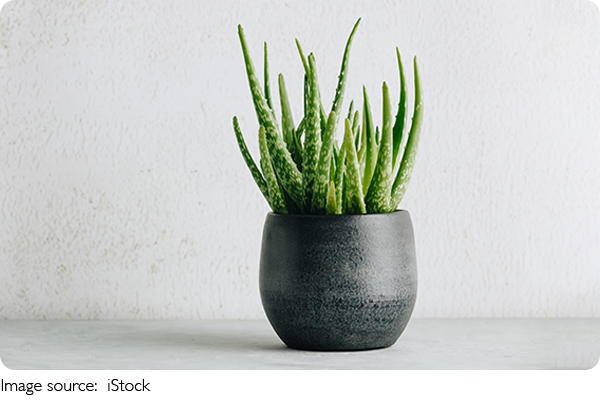
o Best For: Cacti, succulents, and Mediterranean herbs like rosemary.
3. Loamy Soil
o Pros: Ideal balance of sand, silt, and clay, retains moisture but drains well, full of nutrients.
o Cons: Can be more expensive or harder to find in its purest form.
o Best For: Most plants, including flowers, vegetables, and trees.
4. Peaty Soil
o Pros: Holds moisture well, rich in organic matter.
o Cons: Can be too acidic for some plants, requires careful pH management.
o Best For: Acid-loving plants like blueberries, azaleas, and rhododendrons.
5. Silty Soil
o Pros: Fine texture, retains moisture better than sandy soil, rich in nutrients.
o Cons: Can get compacted easily and drain slowly, which can lead to root rot.
o Best For: Vegetables and flowers that need moist, nutrient-rich soil.
Soil Drainage: A Key Factor
The next important factor to consider is drainage. Too much water or too little can both harm plants, and that's where proper drainage comes in. Here are a few ways to ensure good drainage:
1. Use well-draining soil: Look for soils specifically labeled as "well-draining" or amend it with perlite or sand for better drainage.
2. Choose containers with drainage holes: If you're planting in containers, make sure they have drainage holes to prevent water from pooling at the bottom.
3. Elevate pots: For outdoor plants, consider raising pots off the ground slightly to allow water to flow freely.
Matching Soil to Plant Needs
Not all plants have the same soil requirements. For example, succulents thrive in sandy, well-draining soil because they hate “wet feet.” On the other hand, plants like ferns prefer moisture-retentive, loamy soils. Here's a quick guide to help match soil with plant types:
1. Succulents and Cacti – Choose a sandy or loamy soil with excellent drainage.
2. Herbs – Mediterranean herbs (like thyme and rosemary) do best in sandy or loamy soil with good drainage.
3. Vegetables – Most veggies thrive in loamy soil, which holds moisture without becoming soggy.
4. Flowers and Shrubs – Opt for loamy or silty soil with good drainage for vibrant blooms.
5. Acid-loving plants – Peaty soil is best for these, like azaleas and blueberries.
Improving Soil Quality for Faster Growth
Even if you have the right type of soil, it may need a little improvement to maximize your plants' growth. Here's how you can enhance your soil quality:
1. Add organic matter: Mix in compost or well-rotted manure to improve soil structure, increase nutrients, and retain moisture.
2. Use mulch: Applying mulch on top of the soil helps retain moisture, regulate temperature, and reduce undesirable growth.
3. Aerate the soil: Over time, soil can become compacted, especially in containers. Use a fork or aerator to loosen the soil and improve root growth.
4. Test soil pH: Some plants are particular about pH. Use a soil testing kit to check whether your soil is too acidic or alkaline, and adjust accordingly.
Key Takeaways
The right soil can significantly speed up your plants' growth. By understanding soil types, ensuring proper drainage, and matching your plant's needs with the best soil, you'll create the perfect environment for your plants to thrive. With a little care and attention to soil health, you'll notice faster, stronger growth in no time.
Ready to grow your plants faster? Select the right soil, keep drainage in check, and see the magic happen!