The Living Fossil Tree

Finnegan Flynn
| 24-12-2025
 · Plant Team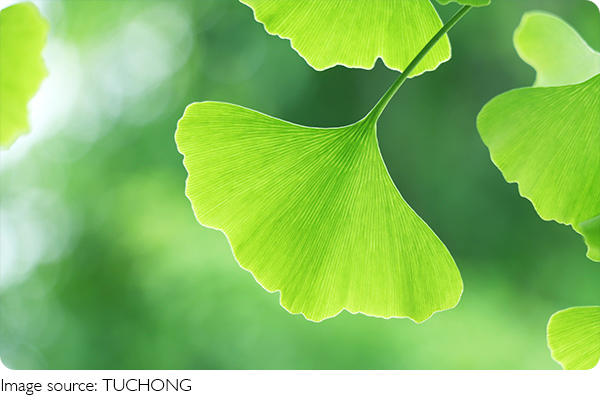
Imagine walking through a forest and encountering a tree so ancient that it predates dinosaurs.
It's hard to imagine something so timeless still standing, but that's exactly what living fossil trees offer—a glimpse into the Earth's distant past. These trees have survived massive changes in climate, ecosystems, and geography.
Among the most fascinating of these ancient survivors is the Ginkgo biloba, a tree that has remained largely unchanged for over 300 million years. But how do these living fossils continue to thrive in our modern world?
1. What Makes a Tree a "Living Fossil"?
The term "living fossil" refers to plant or animal species that have remained relatively unchanged for millions of years, often because they have adapted so well to their environments. These species provide a direct link to Earth's ancient past, offering scientists a window into a world long gone. The Ginkgo biloba is one of the most iconic examples. Its distinct fan-shaped leaves, which are unlike any other tree, have been around since the Jurassic period.
Living fossil trees often thrive in niche environments where conditions have remained relatively stable, like mountain ranges or remote valleys. Their ability to survive through dramatic climate shifts is a testament to their resilience.
Key Takeaway: Living fossil trees aren't just ancient—they're proof of nature's remarkable ability to adapt and endure.
2. The Ginkgo Biloba: A Journey Through Time
The Ginkgo biloba is one of the most well-known living fossil trees. Often referred to as the “maidenhair tree” due to the shape of its leaves, the ginkgo has persisted for over 300 million years, surviving the extinction event that wiped out the dinosaurs. Despite its ancient lineage, the ginkgo is remarkably resilient, able to withstand pollution, pests, and diseases that typically threaten other species.
What makes this tree particularly special is its connection to human history. The Ginkgo biloba is often found in urban areas, planted along streets or in parks for its aesthetic appeal and its ability to purify the air. It's one of the only surviving members of a group of trees that were once widespread, and its endurance is a reminder of how nature can sometimes outlast even the most unpredictable of environments.
Key Takeaway: The Ginkgo biloba shows us how deeply connected the ancient and modern worlds can be—preserving the past while thriving in the present.
3. Surviving Extinction: How Living Fossils Make It
Living fossil trees, like the ginkgo, have survived extinction events by being incredibly adaptable. While many species couldn't withstand environmental shifts, these trees evolved in ways that allowed them to persevere. For instance, ginkgo trees are incredibly hardy, able to endure cold climates, air pollution, and even urban development. Their adaptability is a key factor in why they're still around today.
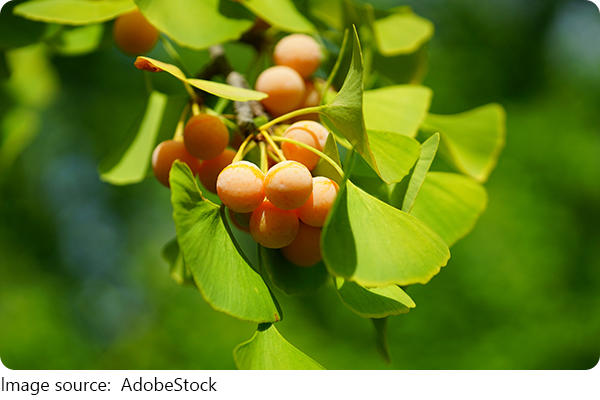
One example of their survival strategy is their reproductive process. The ginkgo produces seeds that are resistant to decay, making it difficult for fungi and bacteria to break them down. This allows the tree to reproduce in conditions where many others would fail.
Key Takeaway: Adaptability is a key to survival. Like the ginkgo, we can thrive by staying flexible and finding new ways to overcome challenges.
4. The Cultural Significance of Living Fossil Trees
Beyond their biological significance, living fossil trees like the Ginkgo biloba hold a special place in cultural history. The ginkgo is revered in various cultures for its longevity and symbolic meaning. In Japan, for example, the ginkgo is seen as a symbol of resilience, often planted at temples and shrines. In China, it represents endurance and vitality.
Living fossil trees also carry deep symbolic meaning about our relationship with nature. Their survival through ages of change offers a reminder of how fragile and precious our environment is. They can teach us valuable lessons about perseverance, patience, and the importance of preserving the natural world for future generations.
Key Takeaway: These trees offer more than just biological insight—they remind us of the deep cultural and spiritual connections we share with nature.
5. Protecting Living Fossils for the Future
As ancient as these trees are, they still face threats in the modern world. Habitat loss, pollution, and climate change are all pressing issues that could endanger these ancient species. Preserving living fossil trees like the Ginkgo biloba requires a collective effort to protect their natural environments.
Urbanization poses a particular challenge, as cities often expand into habitats where these trees once thrived. However, efforts are being made to incorporate them into urban planning. Cities are planting more ginkgo trees in parks, along streets, and in other green spaces to ensure their continued survival.
Key Takeaway: Preserving living fossil trees is crucial, not just for their survival but for maintaining the natural heritage they represent.
Reflection: A Living Connection to the Past
Living fossil trees are much more than ancient organisms; they are a living testament to nature's resilience and adaptability. The Ginkgo biloba, with its prehistoric roots, continues to thrive in a world that has changed dramatically since its inception. Their survival is a reminder of the importance of preserving our natural world and the wisdom it holds.
So the next time you see a ginkgo tree or any other living fossil, take a moment to appreciate the history it represents. These trees have endured through time, and by protecting them, we ensure that future generations can continue to witness their beauty and strength.